Expeditions: Samurai Environmental Combat
Turn lanterns, noise, and terrain into advantages before initiative begins.
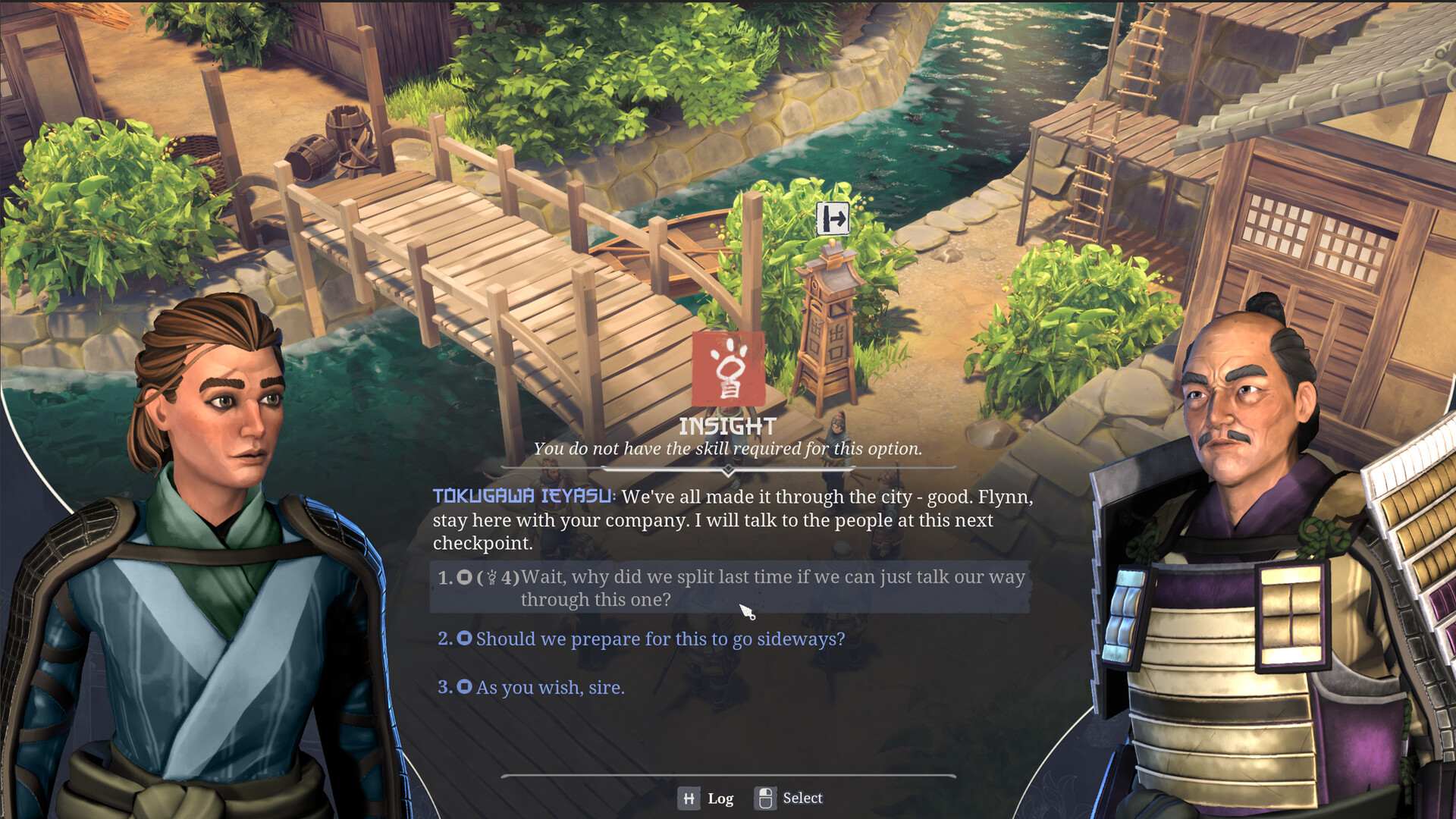
Environmental interactions are one of Expeditions: Samurai’s clearest breaks from earlier Expeditions games. Campfire Cabal highlights map objects you can manipulate during real-time staging—before turn-based combat locks—so fights begin on terrain you chose rather than ground the enemy owns. Lanterns, firecrackers, barrels, doors, and elevation are not set dressing; they are levers that connect stealth preparation to Simultaneous Combat Resolution once steel starts. This page explains how to read a space, spend gadgets wisely, and link environmental wins to the rest of the combat hub.
Staging versus fighting
Think in two phases. Staging is fluid: split the party, assign watchers, move props or light sources, and seed distractions while patrols still behave on scripted loops. Fighting is turn-based with overlapping actions once detection triggers or you choose to engage. Rome veterans often skip straight to phase two; Samurai punishes that on outnumbered missions. Rehearse staging habits in How to Stealth and the Stealth System page before you treat this section as a gadget catalog.
Lanterns and light as resources
Light defines who sees whom. Snuffing or redirecting lantern lines can open a lane for Antje or Fuma Ishiko while Piet Ruisch holds a chokepoint out of sight. Conversely, revealing an ambush zone too early burns the surprise that makes Simultaneous Combat Resolution fair for an eight-versus-twenty skirmish. Scan patrol paths for three full cycles before you move anyone. When a mission demands night entry, pair light control with companion roles from Crew Spotlight.
Firecrackers, noise, and distraction chains
Firecrackers and similar tools buy seconds: guards turn toward noise, partners slip behind cover, and isolating kills stay possible without raising the whole camp. In co-op, one twin throws distraction while the other breaches; solo captains should still script a two-step chain even if one person executes both parts. Inventory details and pirate-era gadgets sit in Weapons & Gadgets. Do not spam every consumable on the outer sentry—sequence spends toward the objective room.
Terrain vocabulary: doors, stairs, crates
Doors control reinforcement timing. Stairs control line of sight. Crates and wagons control cover quality. Environmental combat is the art of naming those verbs before you click attack. Ideal fights funnel enemies through a door Johan or Kage holds while Raina stabilizes whoever drew aggro. Bad fights happen in open yards where archers flank your lantern plan. Link chokepoint theory to Builds once you know which companions anchor your squad.
From environment to interrupt windows
Once combat starts, environmental setup should already have deleted the hardest target or halved the wave. Simultaneous Combat Resolution then rewards players who planned interrupts on the reinforcement path—the guard who would have relit the lantern, the runner who would have sounded the bell. Bind those actions in Controls during Early Access week one so muscle memory exists before Act Two difficulty spikes.
Companion pairings for environmental missions
Antje opens locks and finishes isolated targets after distractions fire. Fuma Ishiko extends shinobi-style misdirection. Piet Ruisch punishes anyone who breaks cover early. Étienne may keep witnesses alive when the story cares about witnesses. Environmental mastery is squad mastery: if only one character can execute the plan, the plan dies when they are injured. Validate coverage in the Party Planner and the Companions hub.
Failure recovery
Detection is not always run-ending. Collapse to the choke you prepared, spend the emergency firecracker to reset focus, and accept that some nonlethal fantasies ended with the first alarm. Companion trust may dip if your environmental gamble slaughtered civilians—check Romance Guide when tone matters as much as DPS. After a wipe, ask whether the map object was wrong or the timing was wrong; timing fixes are free.
Co-op callouts for props
Agree on short language: “lantern east,” “cracker on three,” “door hold.” Desync during staging is worse than desync mid-fight because it wastes consumables both players thought were spent. How to Co-op covers session etiquette; environmental missions need the quietest voice channel on the roster.
Practice drills for Early Access
Pick one yard mission and win without starting combat in the open. Repeat with co-op if available. Then win a fight where stealth broke but your chokepoint still worked—that proves environmental prep survives imperfect execution. Finally, note which gadgets ran out first and adjust Weapons & Gadgets shopping before the next warlord contract.
Act One learning curve
Act One missions introduce environmental verbs gradually. When a quest teaches firecrackers or movable lanterns, replay it once purely to memorize prop locations—those layouts often return in Act Two with higher enemy counts. Track consumable spend now so Crafting habits have purpose when forging arrives near 1.0.
Environmental combat is how Samurai teaches that the battlefield is authored before the initiative banner appears. Master staging, then let Combat finish the sentence.
Frequently Asked Questions
Quick answers about Expeditions: Samurai.
Are environmental interactions only for stealth?
They shine during staging before fights, but terrain and props still matter for chokepoints once turn-based combat begins.
Which gadgets should I stock first?
Prioritize distractions and vision control for night missions; exact loadouts depend on companion kits and mission type.
Does co-op change environmental puzzles?
Yes—twins can split bait and breach roles, but they need clear callouts to avoid double-spending gadgets.
Where do I learn broader combat theory?
Start with the Combat overview and Builds after this page; link stealth habits via How to Stealth.