Expeditions: Samurai Stealth System
Mechanical habits that make ambushes repeatable.
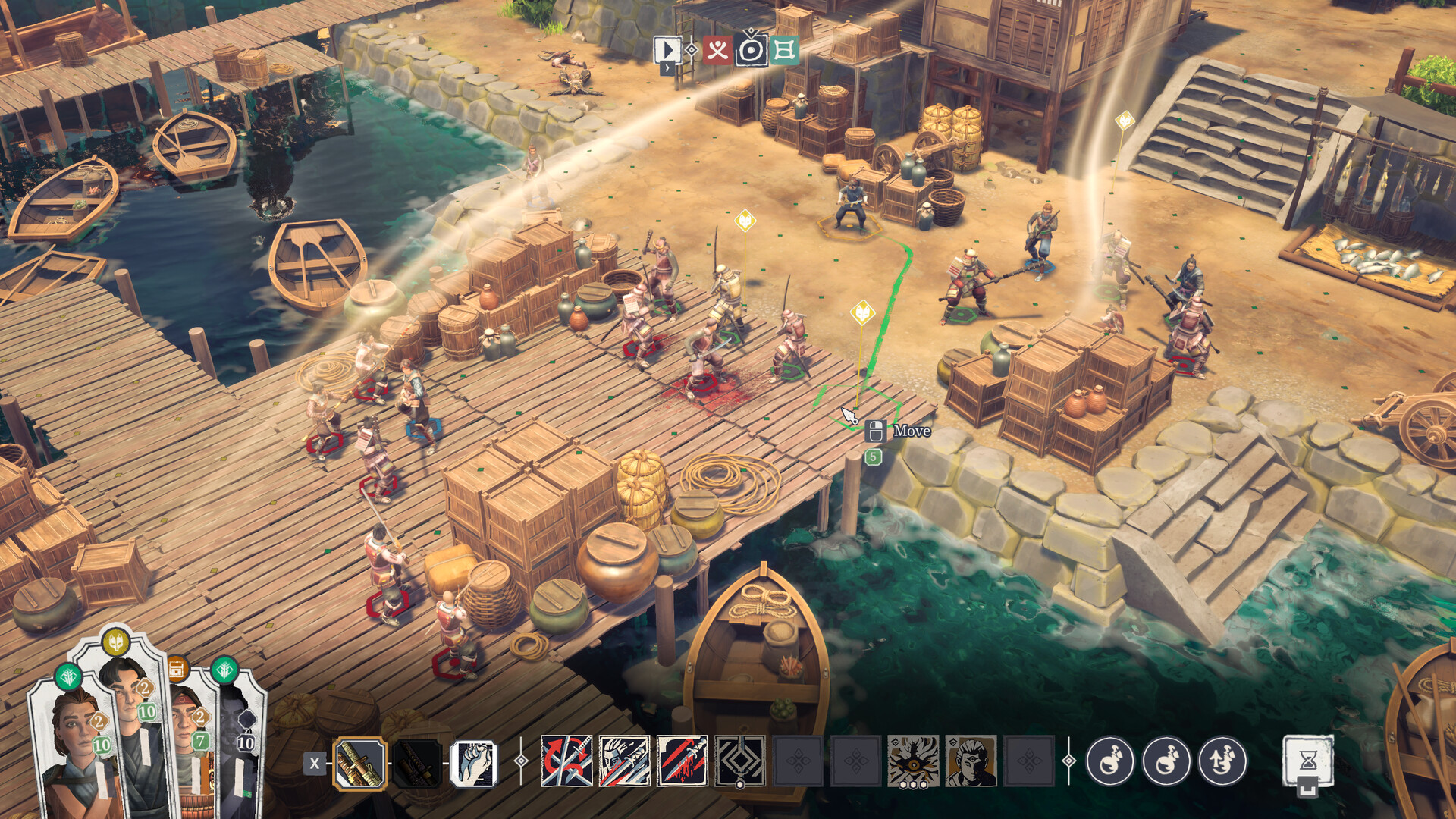
The stealth system in Expeditions: Samurai turns pre-combat minutes into the most important minutes of a mission. This page is the mechanical twin of How to Stealth: less pep talk, more habits.
Real-time staging
Before turns lock, split the party to claim angles. Put eyes on patrol loops. Place your heavy where the alarm will run, not where the treasure sits. Controller and mouse users both need fluent character swapping—refresh Controls if selection feels sticky.
Detection as a resource
Treat light, noise, and line of sight as resources you spend. Gadgets buy temporary blindness from the enemy team. Do not bankrupt your inventory on the first guard; sequence spends toward the objective room. Itemization details: Weapons & Gadgets.
Ambush checklist
- Isolate or distract the outer sentry.
- Open the route with Antje-level lock talent when required.
- Seed interrupts on the likely reinforcement path.
- Only then trip the fight that Combat will resolve.
Failure states
On detection, cancel greedy picks, collapse to the chokepoint, and accept that some romance-friendly nonlethal fantasies are over for this room. Rebuild morale after with smart Builds and companion favors via Romance Guide.
Co-op sync
One player distracts while the other breaks line of sight. Practice the vocabulary before a timed quest. See How to Co-op.
Stealth is a system you rehearse. The campaign will keep examining whether you did.
Staging templates
Template A: Antje inside, heavy on exit, Flynn mid with gadget. Template B: two quiet movers, one loud bait. Template C: co-op bait-and-break. Run each template once during EA week one and keep the winner.
Vision denial versus speed clears
Vision denial is safer; speed clears are for players who already know patrol timing. Do not speed clear on a companion romance night unless you enjoy reload theater. Romance Guide players should default to safer templates.
UI tells to learn early
Whatever detection meter or posture icon EA ships, watch it for three full patrol cycles before you move anyone. Impatience is the real final boss of stealth tutorials.
Transferring stealth wins into combat turns
The first combat round should still feel like stealth: focused fire, interrupts ready, no heroic mid-yard sprints. Read Combat immediately after a successful ambush while the lesson is fresh.
Solo versus co-op stealth metrics
Solo success metric: unfinished fights never start. Co-op success metric: both players can explain the plan in under five words. If co-op needs a paragraph, simplify before you move. Gadgets are punctuation, not the sentence. Keep How to Co-op and Weapons & Gadgets linked in your browser during week one drills.
Page takeaway
Rehearse one staging template from this page tonight; if detection still surprises you, slow the third patrol cycle instead of adding more gadgets.
Hitman-informed patience
Press coverage notes stealth design influenced by veterans of infiltration games. That means patience is a mechanic: wait for lantern lines, split the party, and convert quiet deletes into Simultaneous Combat Resolution advantage. If you are importing Expeditions: Rome charge habits, read Rome vs Samurai before blaming detection radii.
Environment as stealth UI
Lanterns, doors, and distractors are not flavor props. Drill them with Environmental Interactions and How to Stealth. A failed ghost route should still leave you on geometry Johan or Tora-Hime can hold.
Companion stealth roster
Antje and Fuma Ishiko carry quiet access. Kage and Johan punish the moment stealth breaks. Étienne may prevent the fight that would torch a diplomatic district. Schedule them via Companions so Act One’s eight-hour slice teaches habits you will still use in Act Two.
Frequently Asked Questions
Quick answers about Expeditions: Samurai.
Does stealth use a separate skill tree?
Public materials emphasize gadgets, positioning, and companion kits; expect EA to clarify progression nodes further.
Can stealth skip entire missions?
It can erase encounters and open routes, but story pressure still pulls you into key confrontations.
What page should newcomers read first?
How to Stealth for habits, then this page for mechanical reinforcement.